 Guide
November 8, 2026 · 3 min read
Is History Repeating Itself? Inflation, Crises, and Unchanging Wheels from the Ottoman Era to Today
Today, from the streets to the plazas across Turkey, there is a reality that has become everyone's common language: a deep economic crisis, hyperinflation, and an unending chain of fund frauds... Faced with this economic bottleneck that holds our daily lives hostage, the most asked question is: How do we get out of this mess, and why do these crises never seem to end?
If you look closely, the roots of the crises we are experiencing today run deep. Neither inflation nor the fraud chains that trap people with the promise of getting rich easily are products of today. These are chronic, unsolved problems written into the fate of this geography for centuries.

An Economy That Cannot Create Added Value and the Trap of Artificial Growth
The most fundamental deadlock of the Turkish economy is its inability to produce value-added goods based on production and technology. Instead of creating lasting prosperity over the years, artificial growth models were preferred in certain periods.
Especially over the last twenty years, the engine of the economy has not been production, but largely the concrete and construction sectors. These artificial growth models, which are the lifeblood in the short term, have condemned the country in the long term to a structure dependent on foreign sources, inflationary, and fragile. Because resources were not transferred to the right investments, crises have become an inevitable cycle.
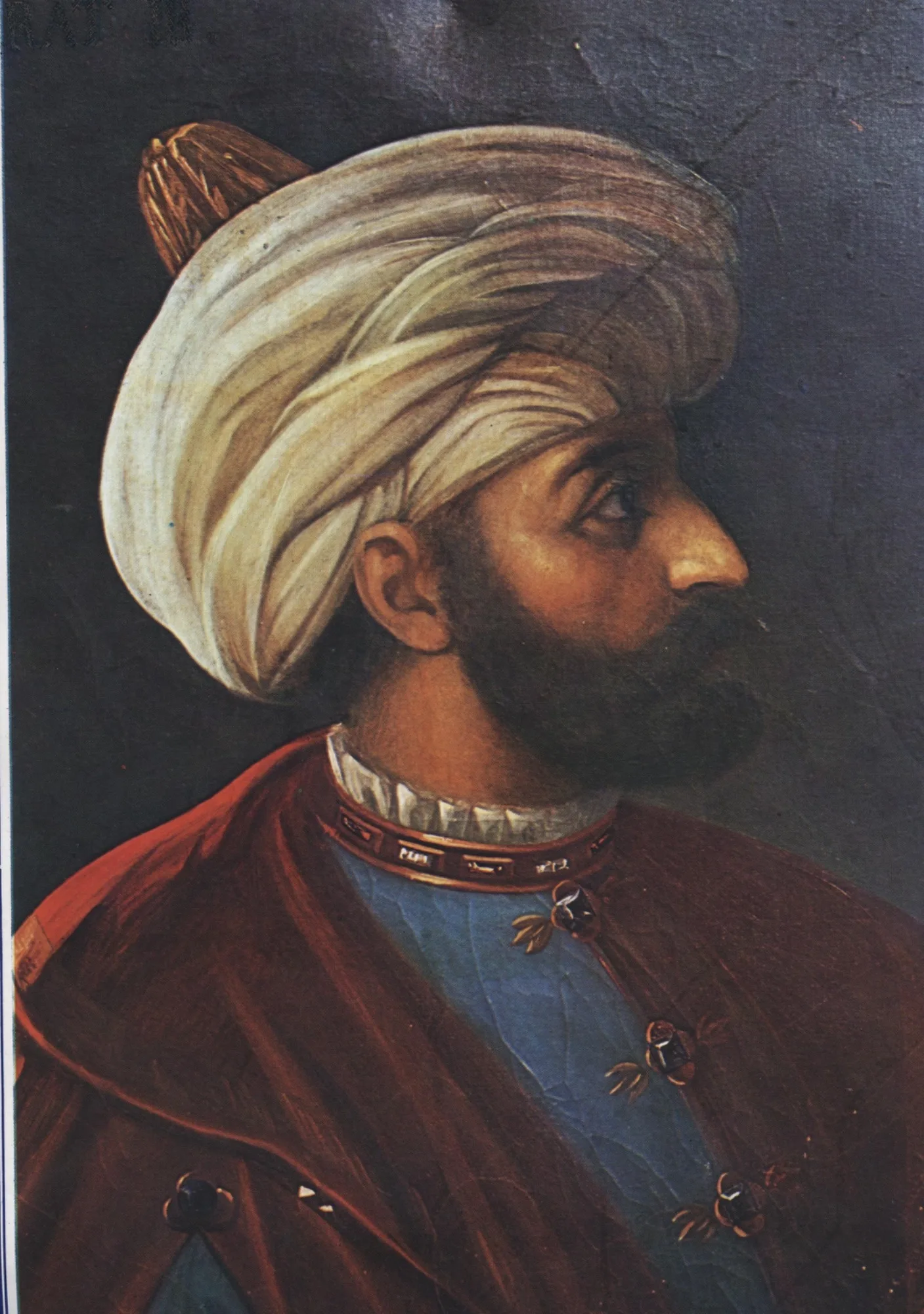
Debased Ottoman Coins and Janissaries Who Stormed Topkapı
Looking at history, we see that very similar economic crises to those we face today also engulfed the Ottoman Empire. For many years, the Ottoman Empire struggled with massive inflation waves due to costly wars fought for inefficient lands, the depletion of the treasury, and wrong financial policies.
So what did the state do when the budget was blocked? Just like today's unbacked money printing reflexes, currency debasement was resorted to in the past.
When the state could not find silver to pay salaries to the janissaries and officials, it debased the coins; it lowered their value by mixing copper into the silver. What did the Janissaries do, whose purchasing power was melting away and who could not even buy bread with the money in their hands? As you will see in history books, they stormed Topkapı Palace and raised the banner of rebellion.
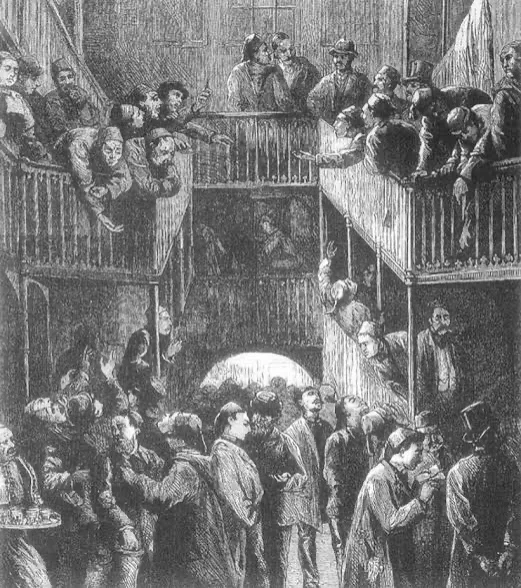
Yesterday's Galata Stock Exchange, Today's Digital Funds: The Evolution of Fraud
Periods of economic crisis are always times that dawn for cunning opportunists and fraudsters. Today, Ponzi schemes that victimize thousands of people through "private funds" or systems promising high returns are actually no different from the Galata stock exchange speculations of the late Ottoman period.
People fall into these traps when they want to protect their money melting away against inflation or looking for a quick way to get ahead. The system is changing, instruments are becoming digital, but greed and helplessness remain.
Social Pressure and Uncertainty: Will This Order Continue Like This?
In history, masses with declining purchasing power who could not find what they deserved would storm the palace or pour into the streets. Today in Turkey, however, despite economic hardships, there is no sign of a mass uprising or social explosion like in the past. The biggest reason is that society is kept under serious economic and psychological pressure, and its energy is entirely spent on the struggle for "daily survival."
However, can this atmosphere of silence and pressure be sustained forever? That is one of history's greatest mysteries.
The end of economies that do not learn from the past, do not focus on value-added production, and are managed with day-to-day survival policies is always the same. The question is: What are we waiting for to break this recurring cycle of history?